Ambleside Schools International Articles
Browse more Ambleside Schools International Resources.
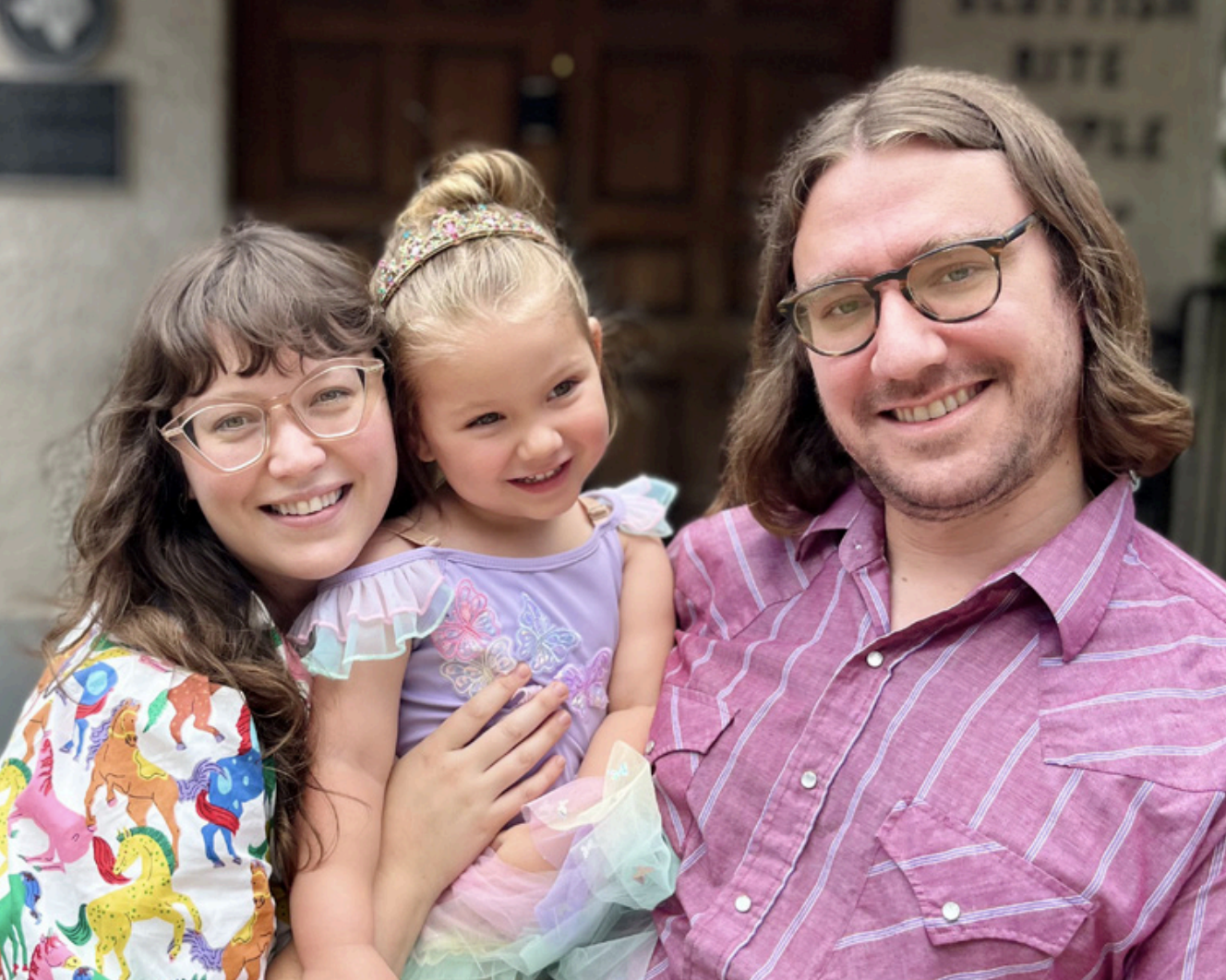
Alumni Snapshot - Reid Comstock
Reid graduated from Ambleside Fredericksburg in 2007.
After Ambleside
After graduating from Ambleside, I earned a BA in philosophy from Wheaton and a PhD from the University of Notre Dame.
Current Role
Assistant Professor of Instruction, University of Texas at Austin
Education: The Awakening of Proper Loves
Plato uses many images to illustrate the process of education. The most famous of these, of course, is the allegory of the cave from the Republic. But there are other, lesser-known images. In his letters, Plato describes the process of education as a process of kindling one’s proper loves. What are one’s proper loves? For Plato they are three: love of truth, love of goodness, love of beauty. Plato believed that these loves are natural both in the sense that they belong to us by our nature and that we are born with them.
But these loves are feeble at first; their voices are present but crowded out by the demands of other more imperious masters like our desires for money, power, or status. That our proper loves at first are weak and feeble Plato intends by referring to them as mere sparks. But these sparks can be kindled into burning flames if nourished and cultivated in the right way. And that process — the process of strengthening our proper loves — is the work of education.
I often think of this image when I think of my time at Ambleside. Though I have never had the chance to speak with my former teachers about the pedagogy that lies behind the school, I imagine it is a pedagogy that boils down to the following thought: At the end of the day, all loves are alike. To nourish them, to help them grow, one must feed them. And all loves are fed by what they are desires for.
For instance, to nourish one’s love of beauty, to kindle that spark into a burning fire, one must bring the soul into contact with beautiful things. Mutatis mutandis for truth and goodness. My memories of Ambleside are memories in which the truth of this claim is demonstrated again and again.
What happened to me when I went outside on Wednesday afternoons for nature study? Yes, I learned facts — many of them. Facts about monocots and dicots, evergreens and deciduous trees, etc. But something more important than the mere uptake of information was at play. The humble works of nature — the buds, leaves, roots, etc. of little plants and shrubs — are beautiful. And by attending to these, by painting them and describing them intricately and in detail, I came to love them.
But this love, as educational theorists would say, is ‘transferable’. It is not merely the small and easily overlooked works of nature that I came to love. In coming to love these little things, I was being trained to love beauty wherever I might find it — in a well-wrought sentence, in a virtuous deed, in a great work of architecture. The small spark was being protected, fed, and allowed to grow. And in the same way, by being brought into contact with what is true and good — through the study of Shakespeare, Thoreau, Thomas a Kempis — I found myself learning not simply about truth and goodness but to care for them.
That, I take it, is what Plato thought education was for: not the mere accumulation of knowledge, but the awakening of our proper loves. My time at Ambleside was a testimony to that conviction, and I like to think that I carry those kindled sparks within me still.